The Origin
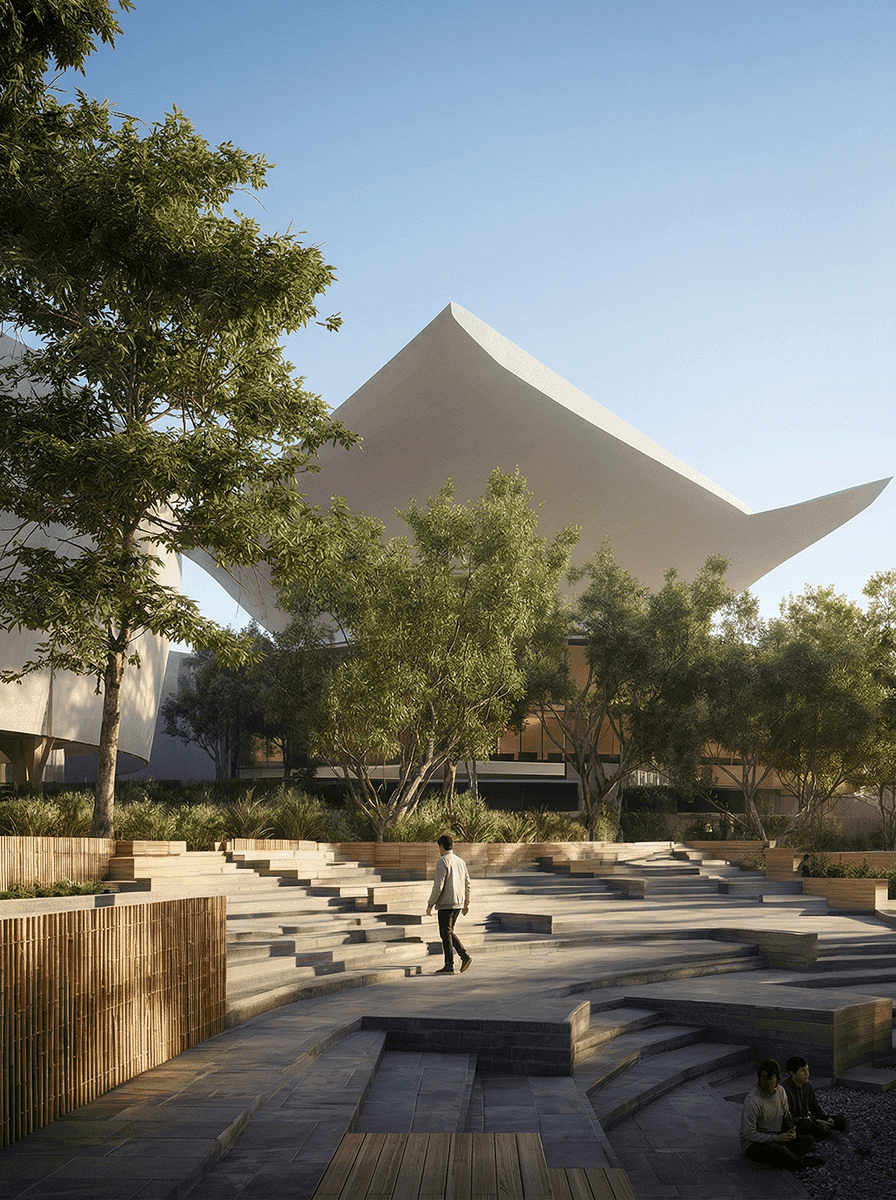
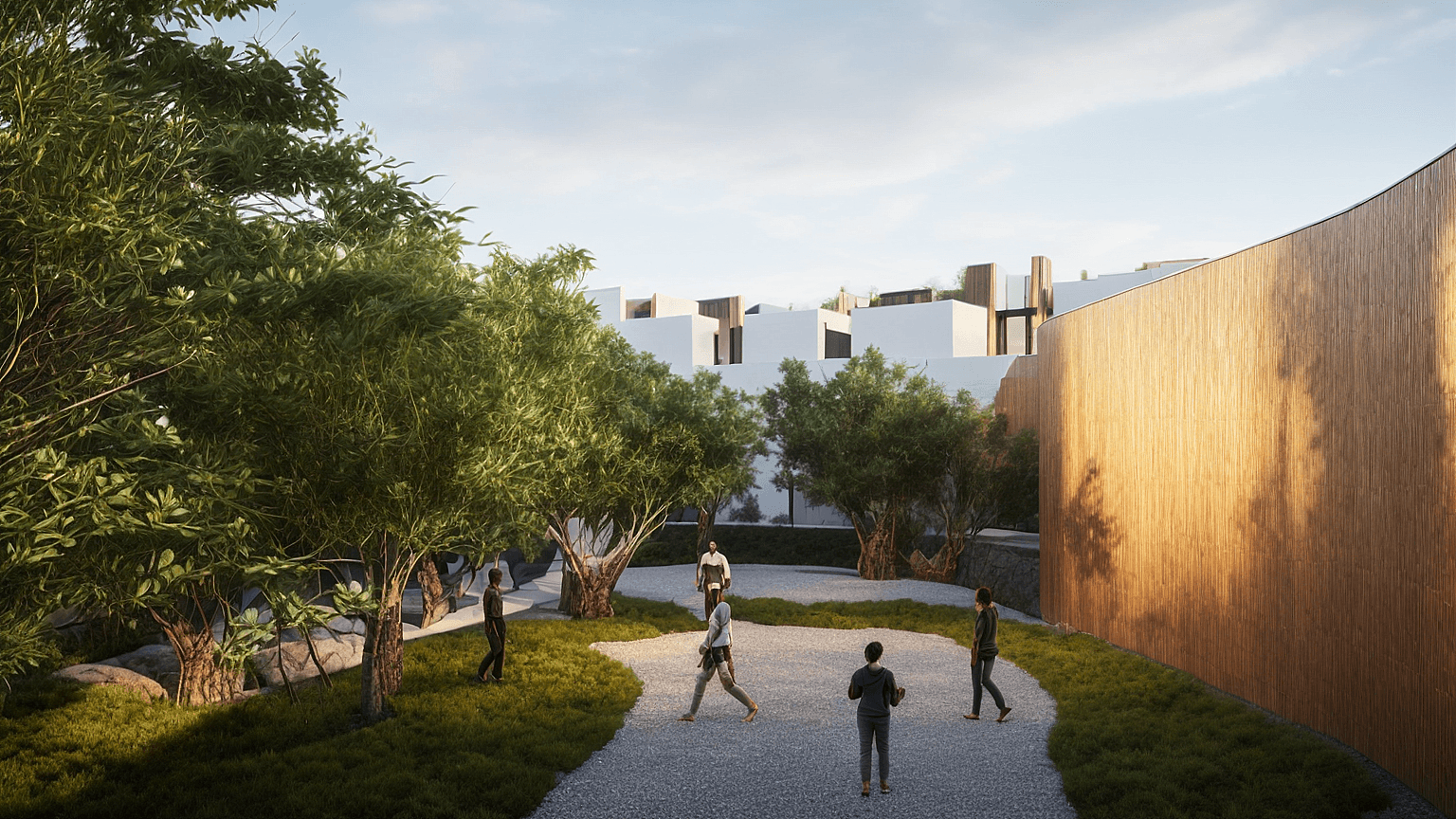
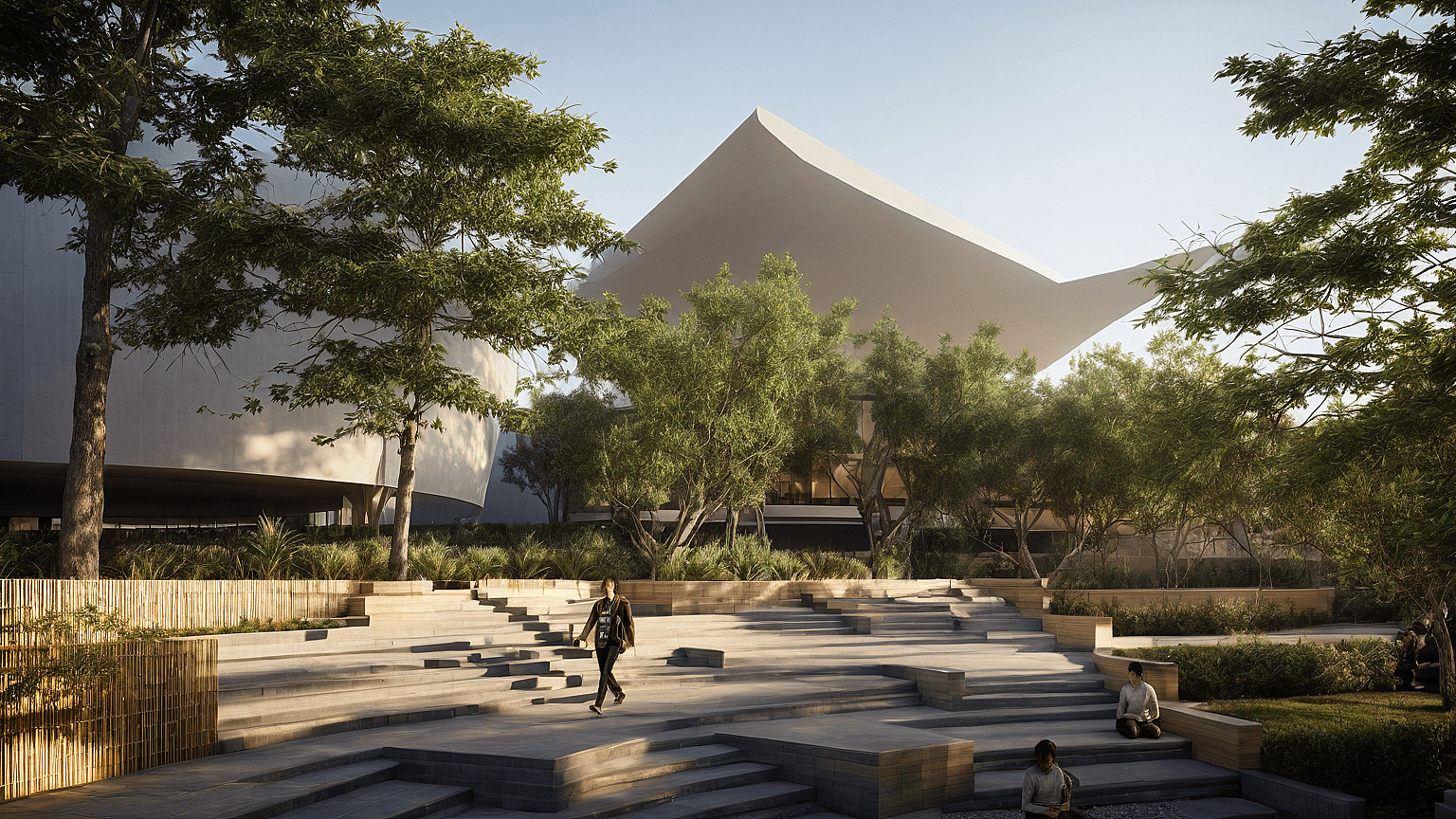
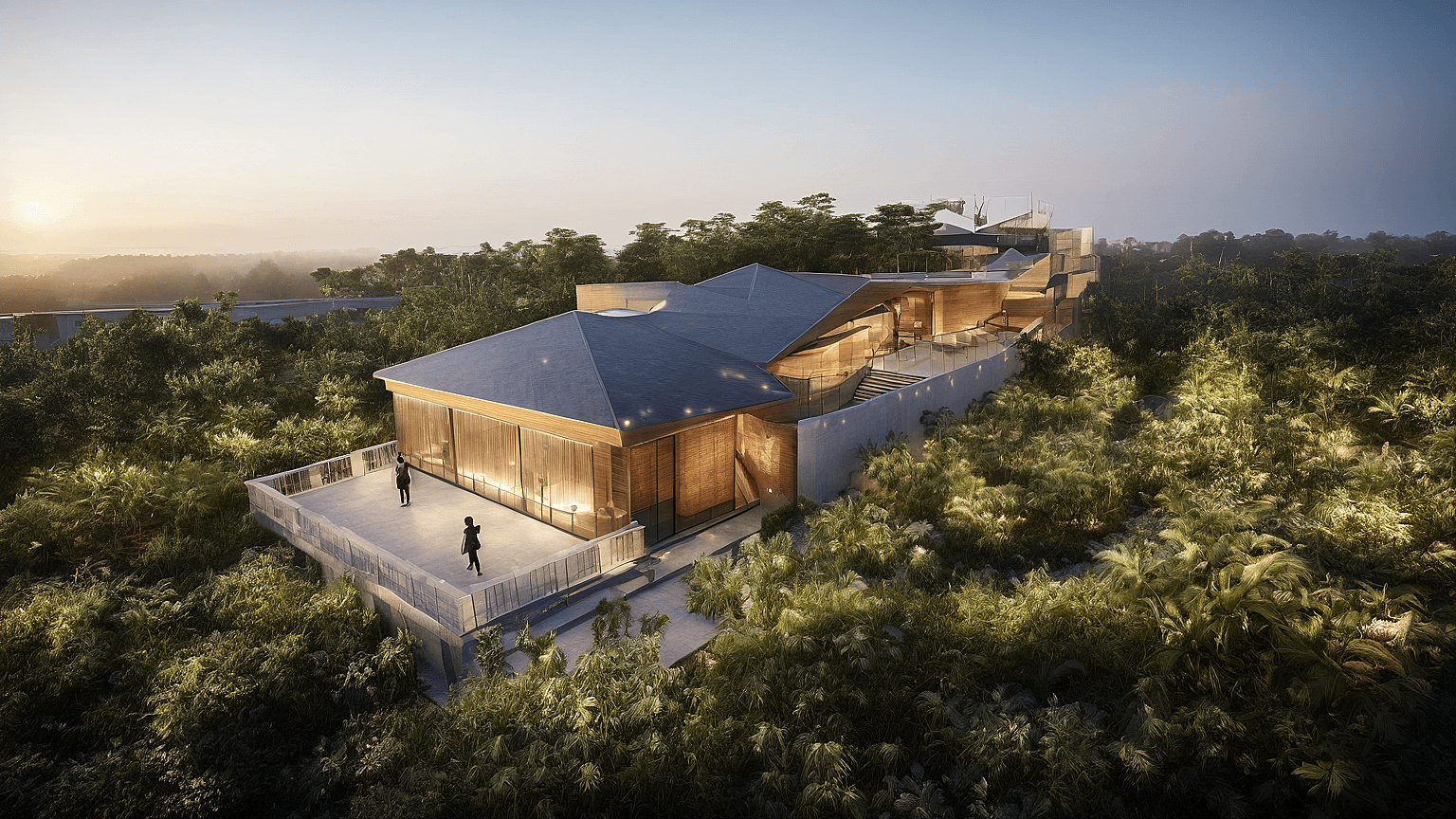
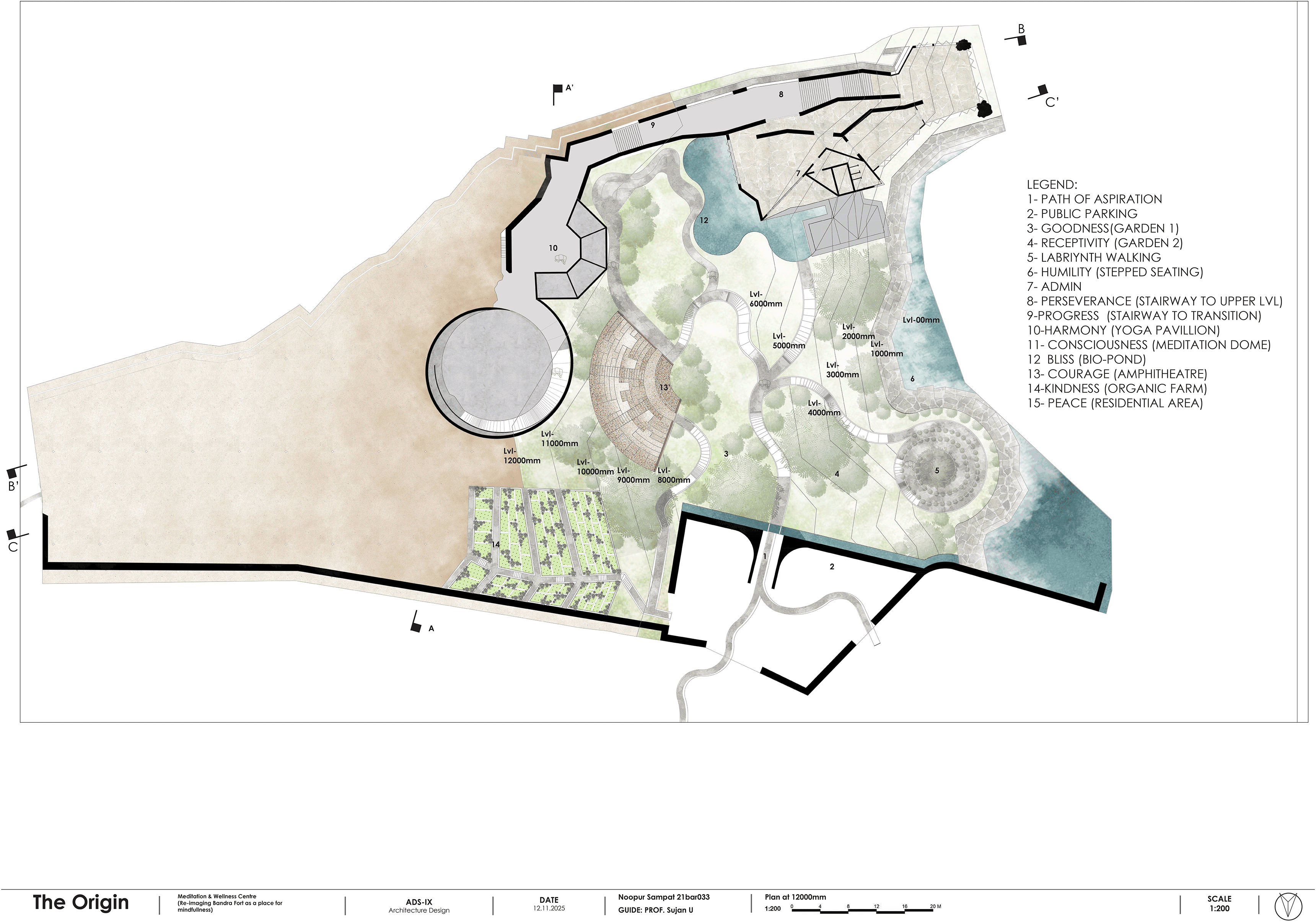
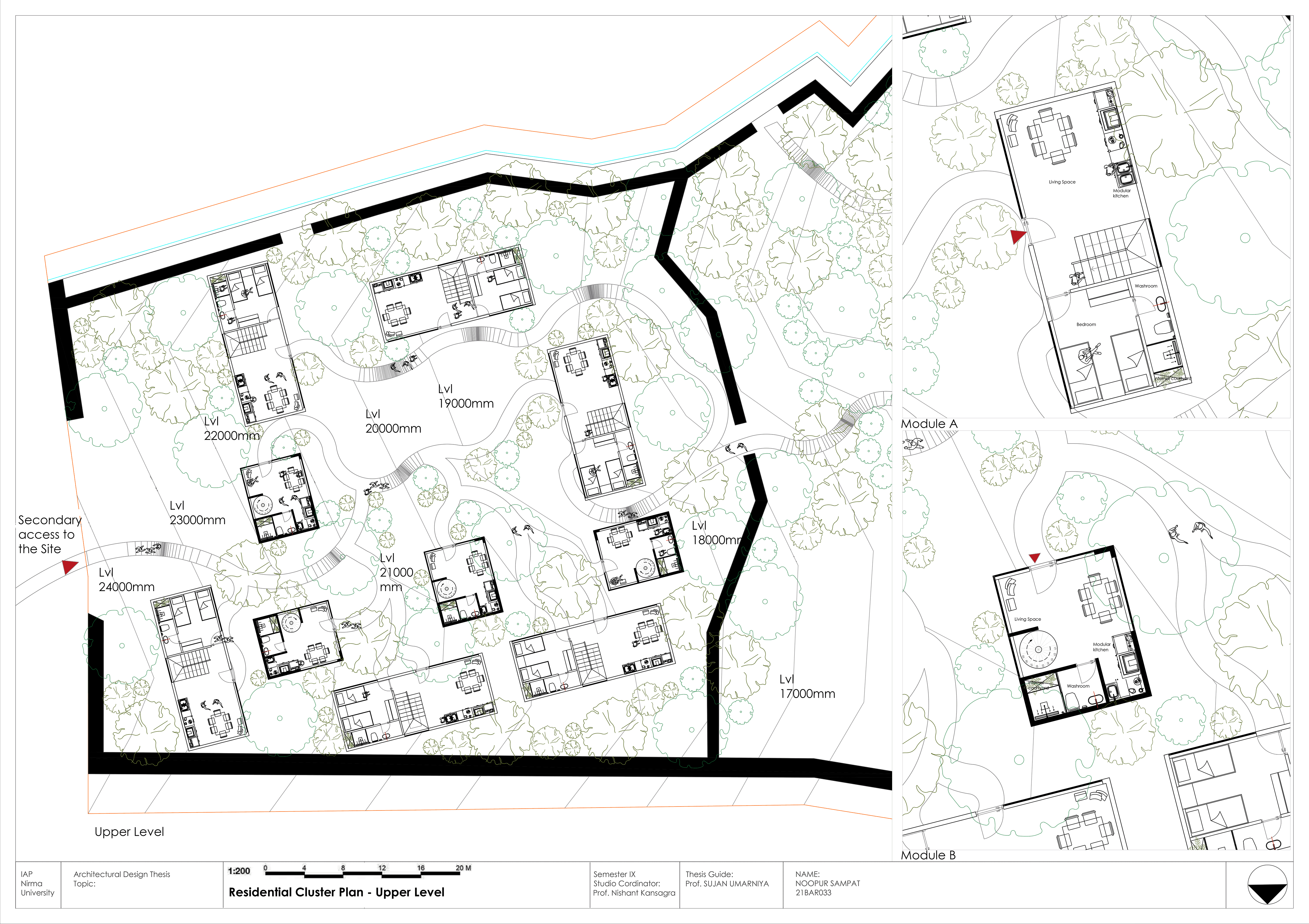
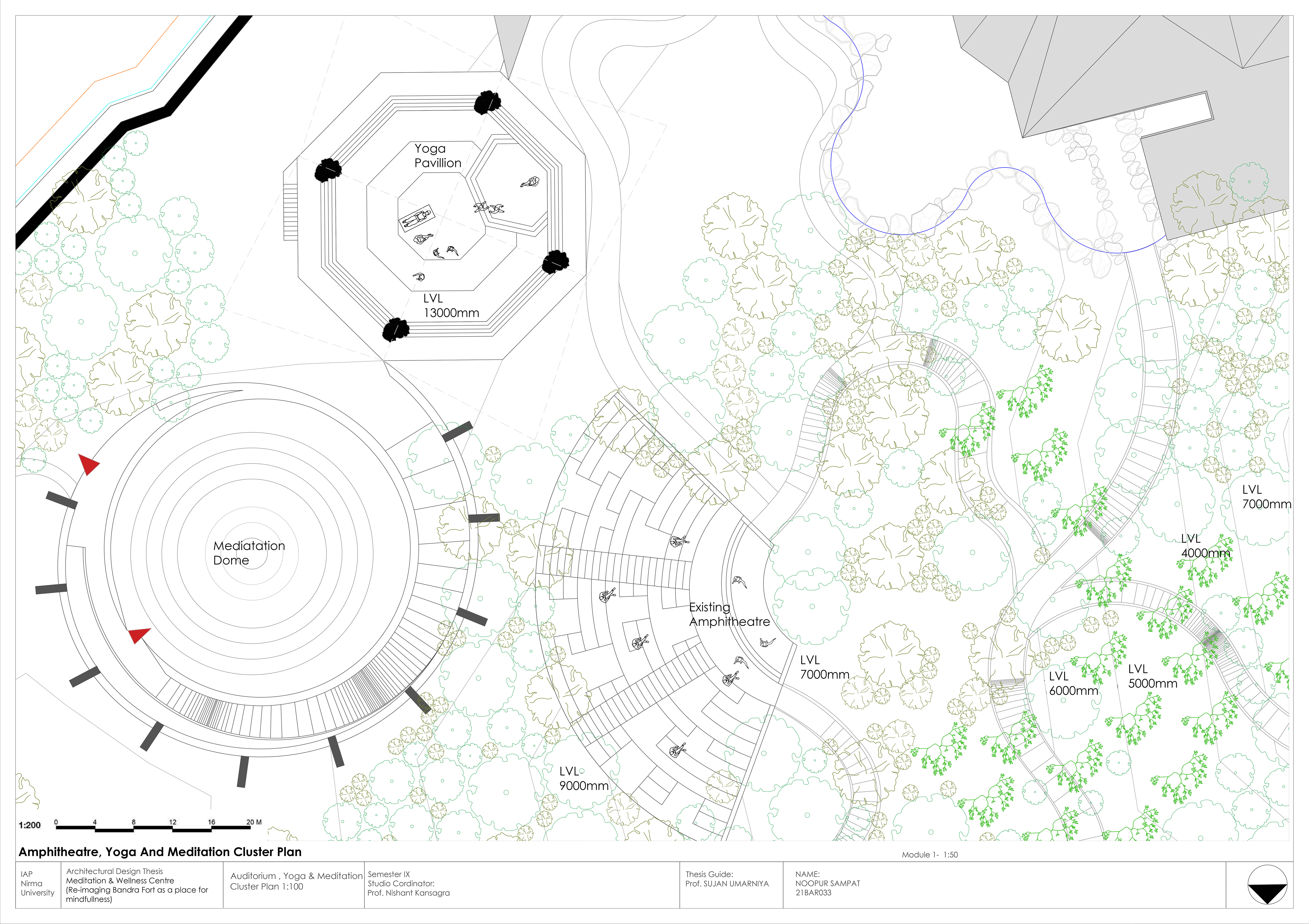
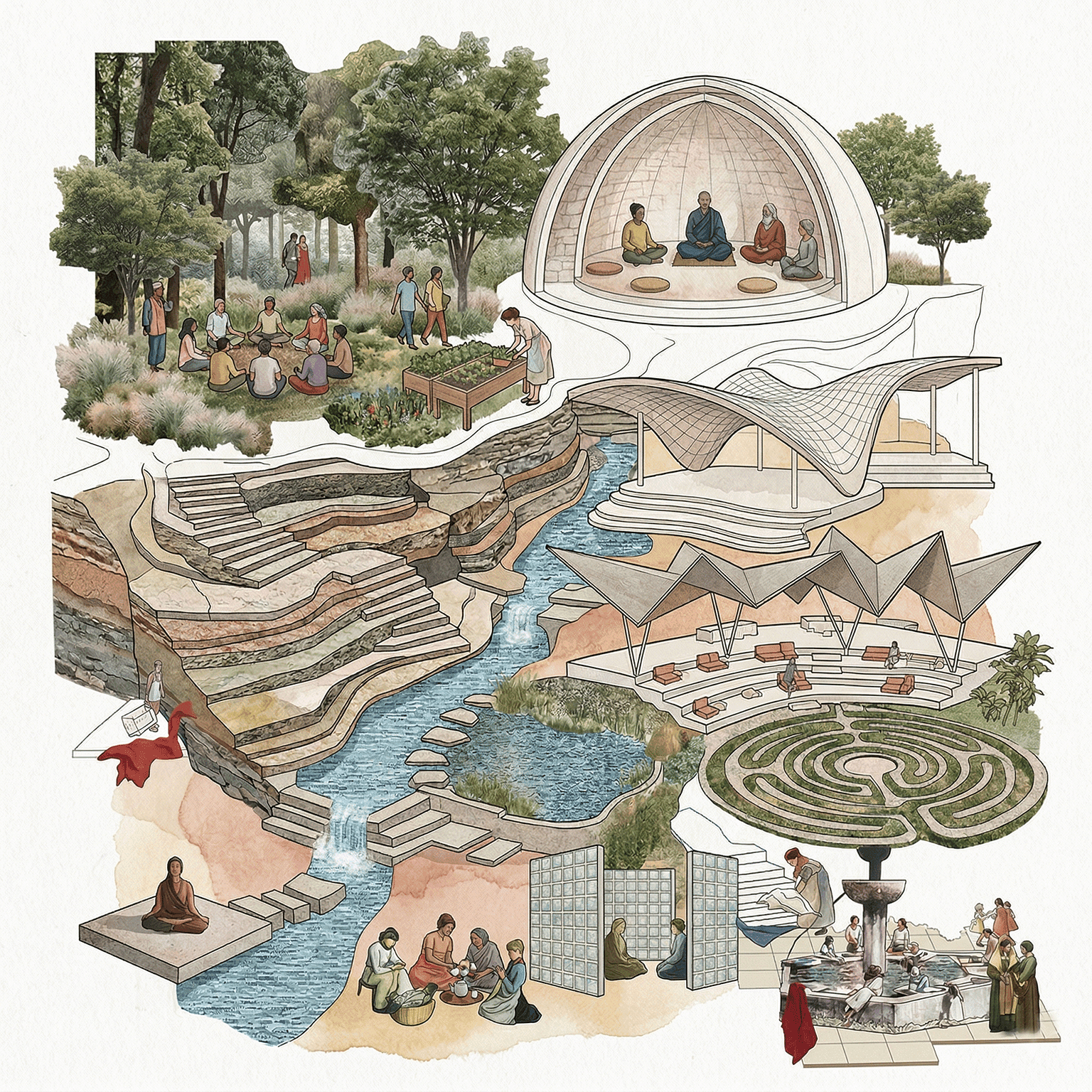
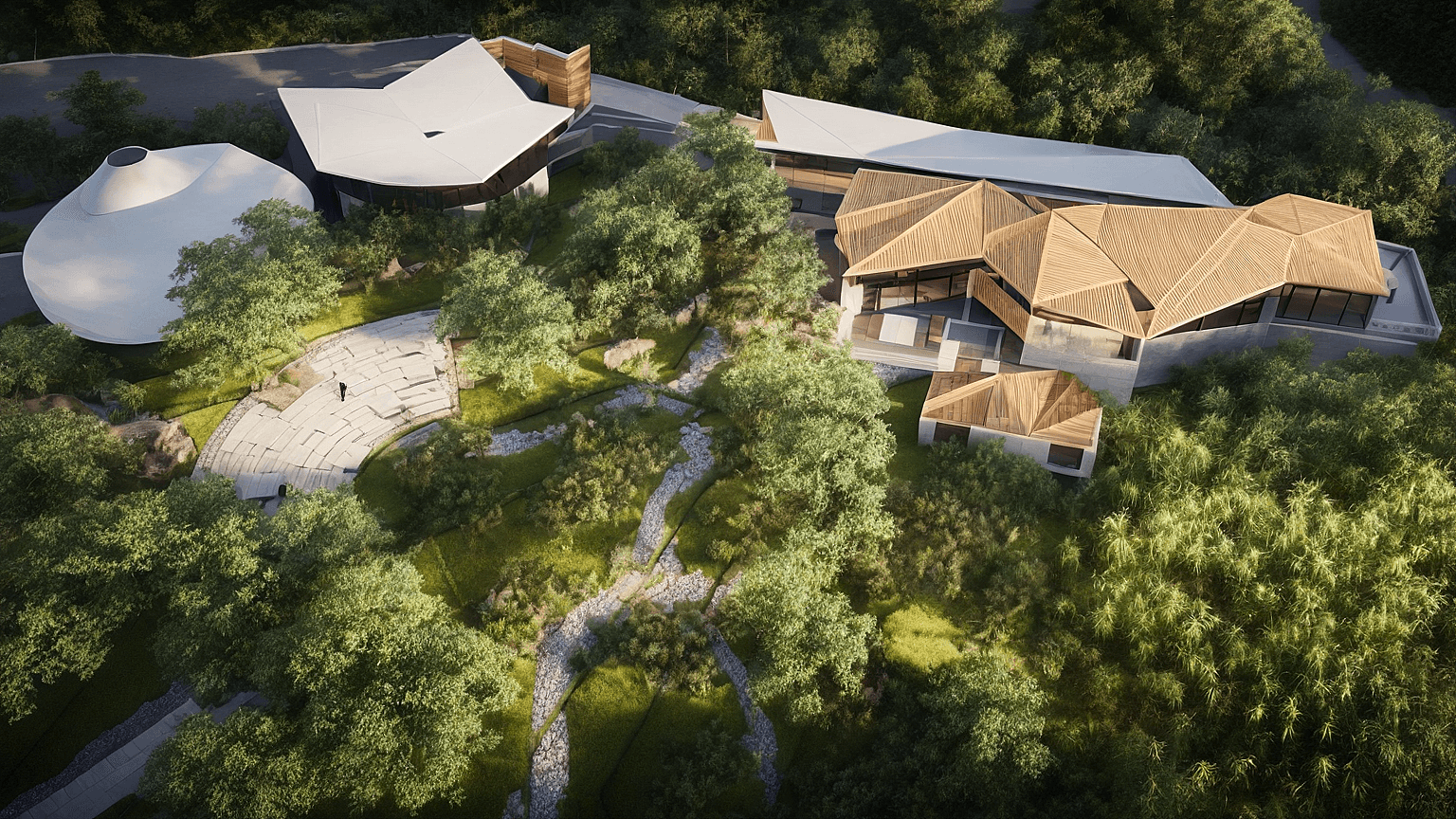
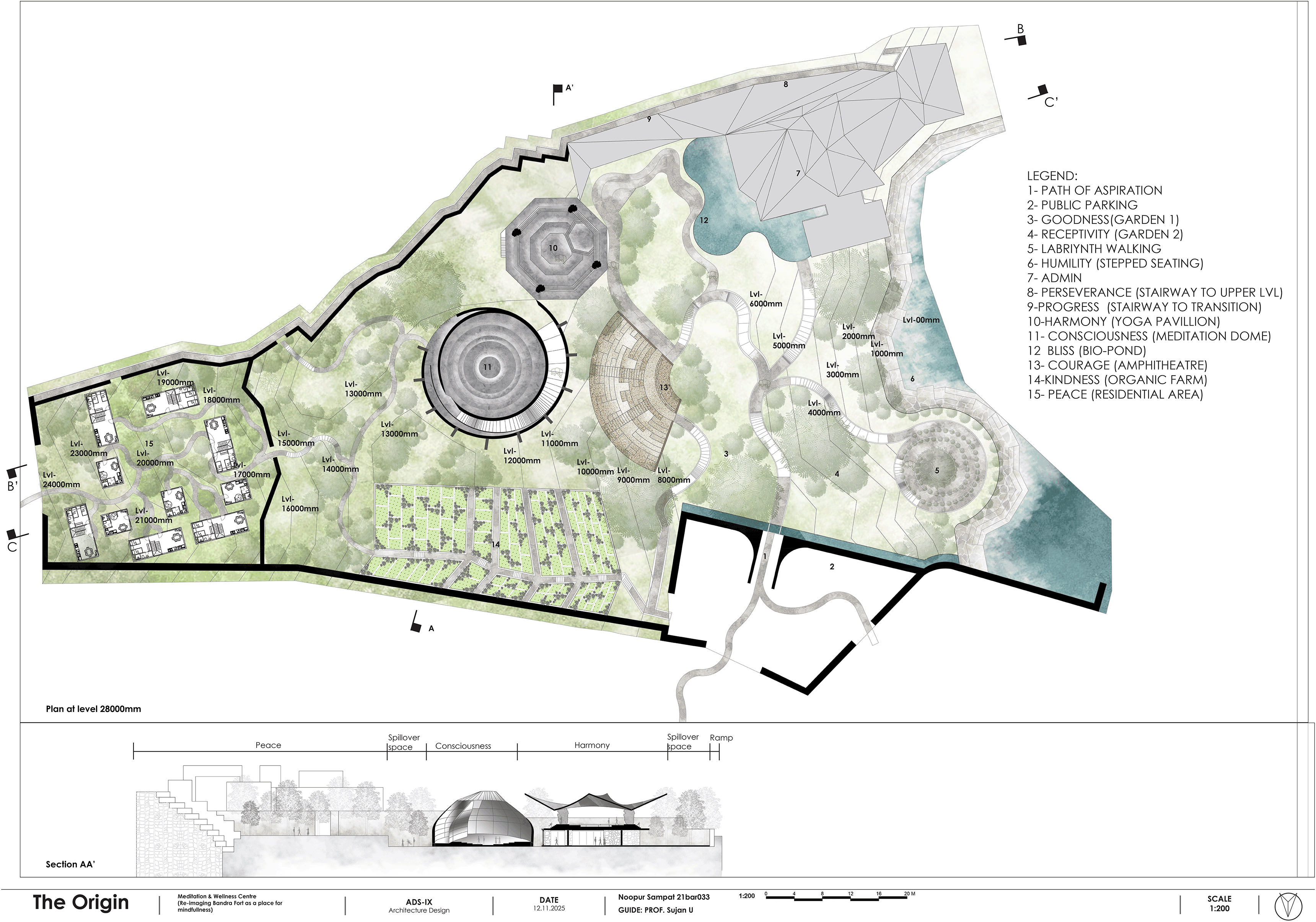
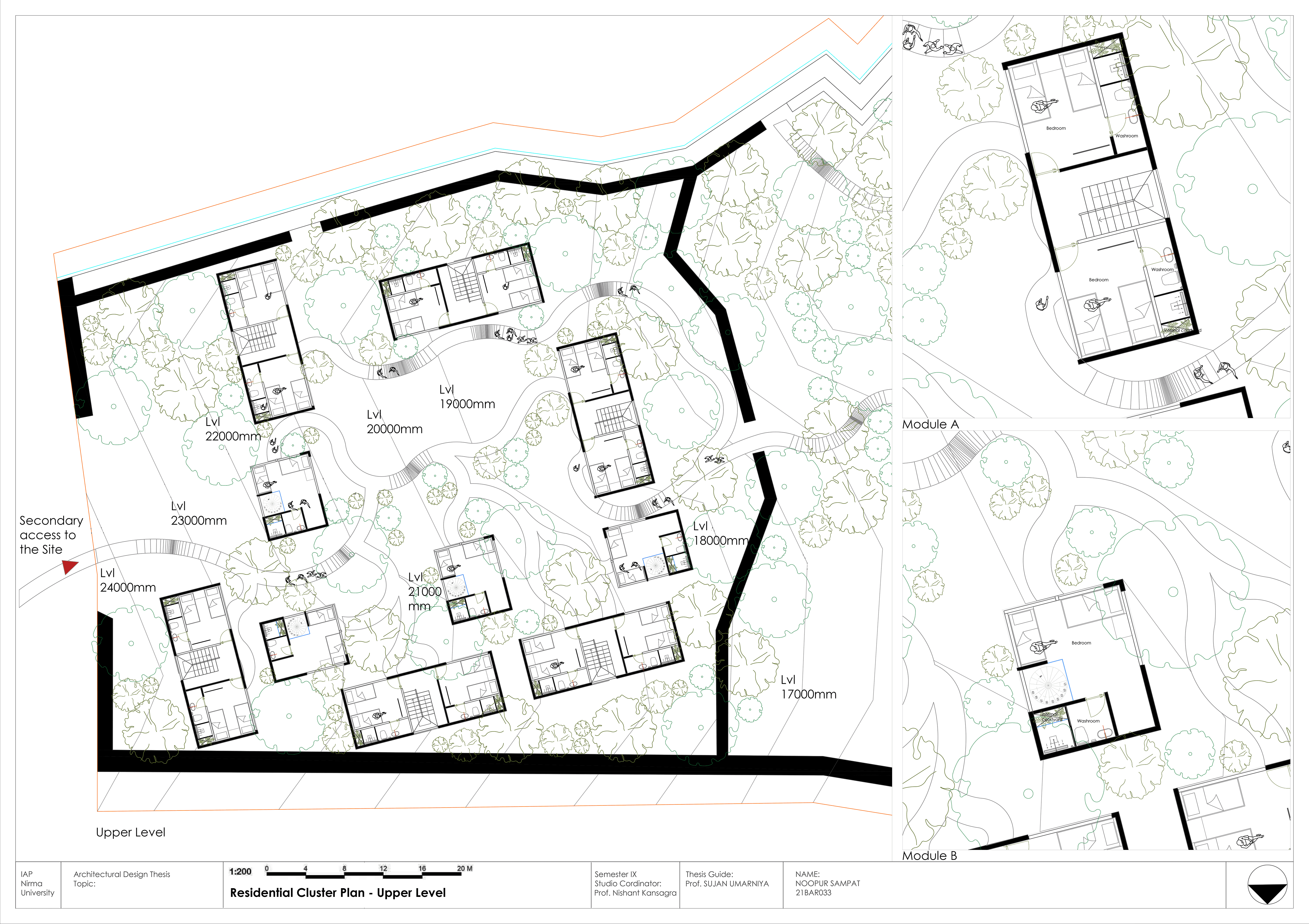
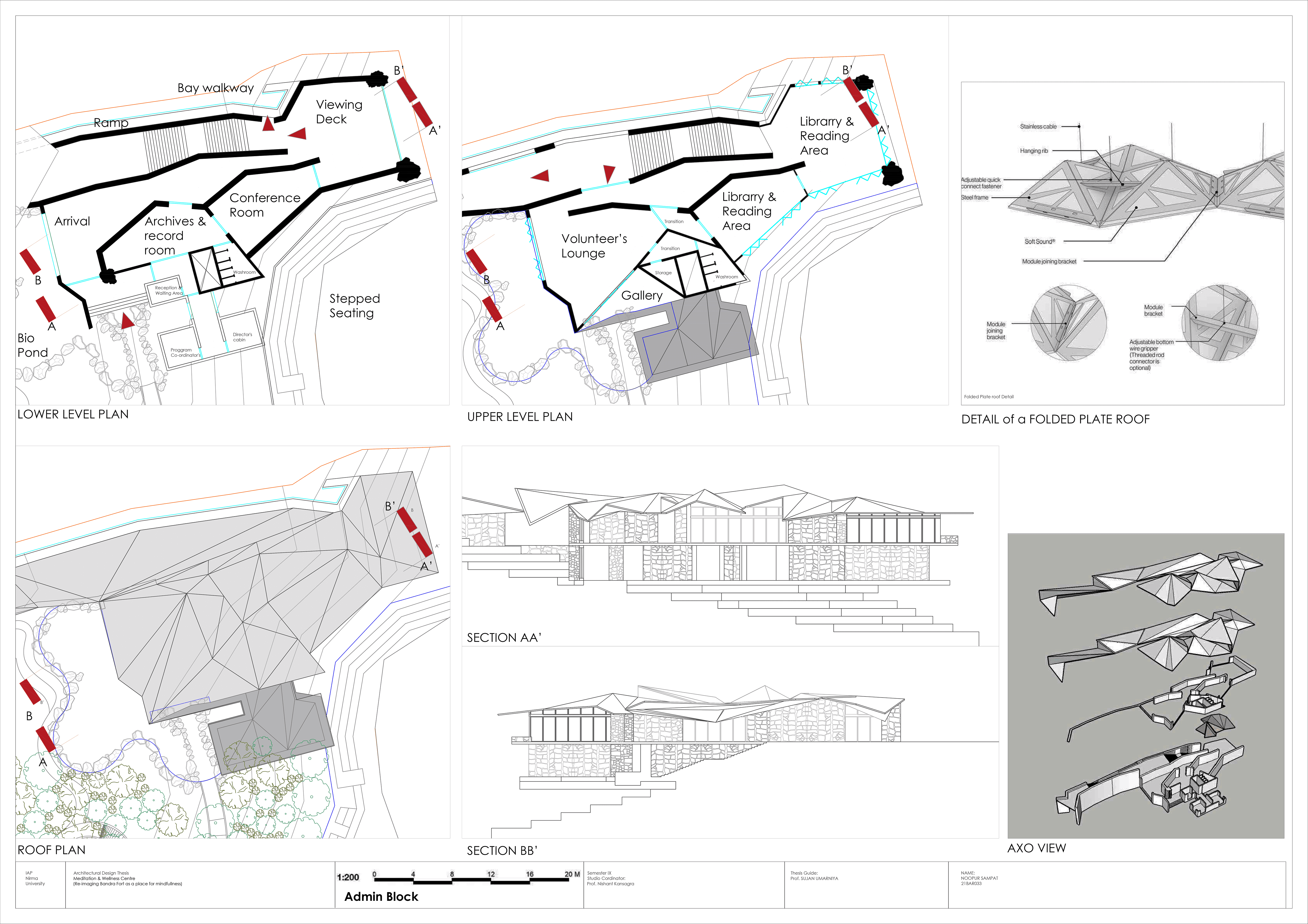
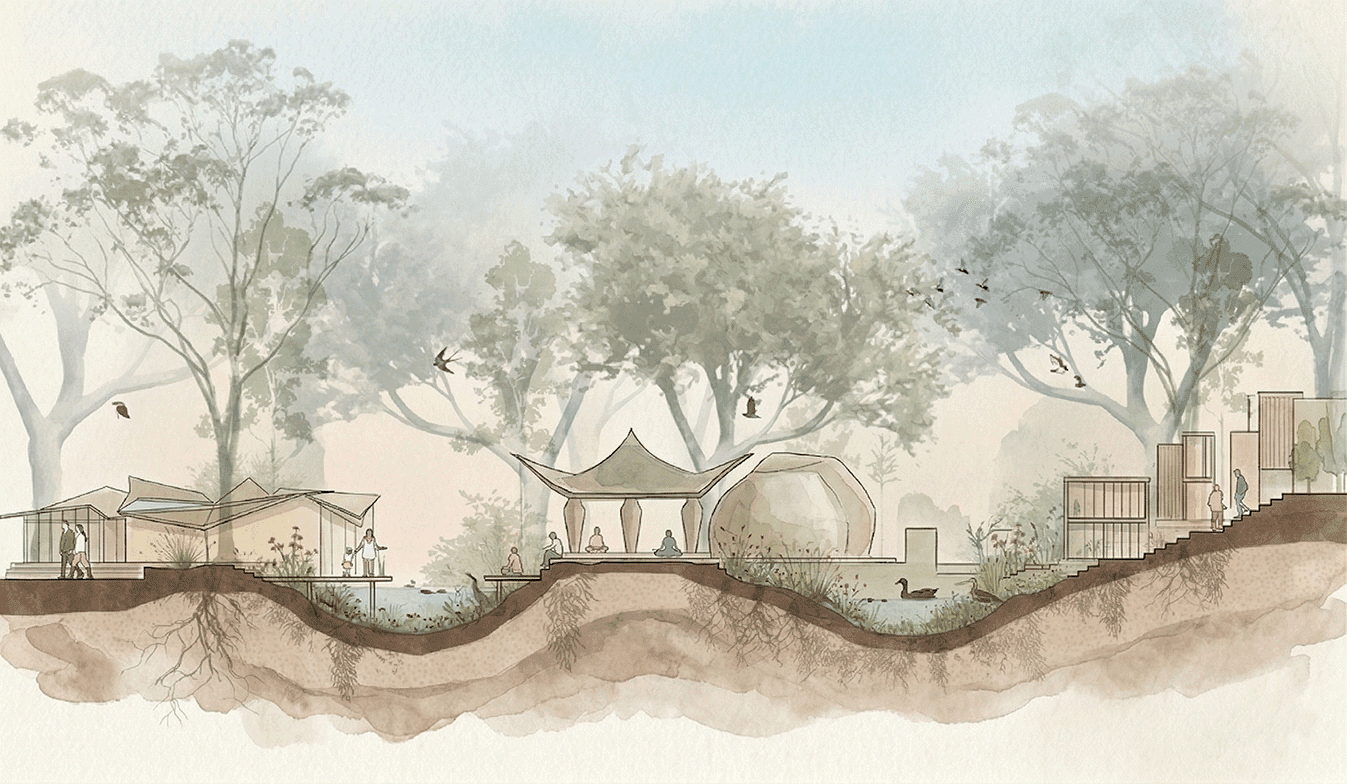
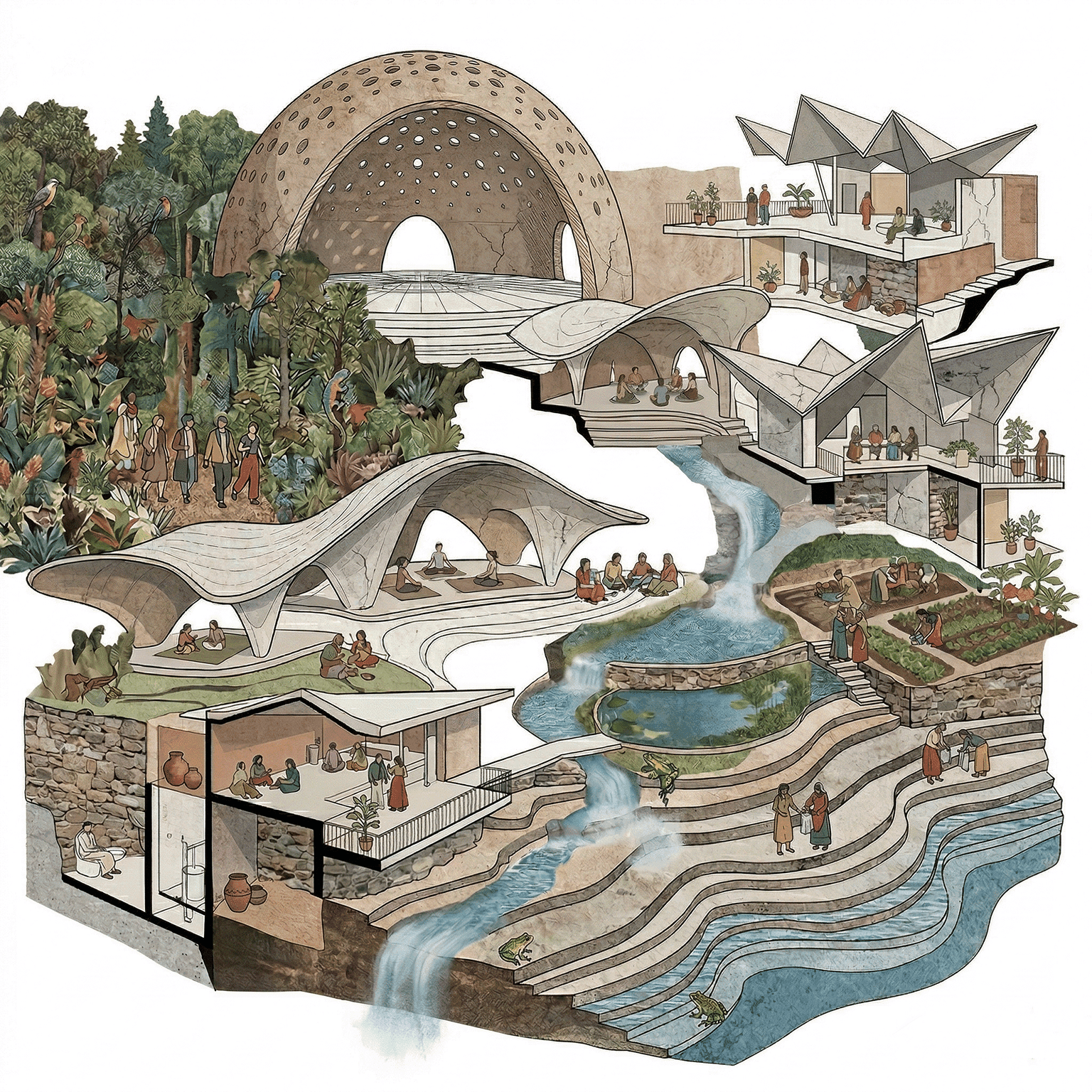
This thesis explores architecture as a medium for awakening human consciousness through the design of a Meditation and Wellness Centre at Bandra Fort, Mumbai. In a city defined by sensory overload and emotional fatigue, the project proposes architecture as a counter-experience, one that slows the body and turns attention inward. It reinterprets Bandra Fort not as a static monument, but as a living psychological landscape where heritage, nature, and perception intersect. Through spatial transitions, sensorial elements, and phenomenological principles, the design creates a journey from external noise to internal stillness.
Year
July 2025
Scope
Undergraduate Design Thesis
Location
Bandra, Mumbai, India
Duration
4 Months
Challenge
The primary challenge lies in addressing the overwhelming pace and sensory saturation of urban life, which disconnects individuals from their inner awareness. At the same time, Bandra Fort presents a complex context rich in history yet fragmented in its contemporary identity. The difficulty is to intervene without erasing its authenticity, while also making it relevant to present day psychological needs. Balancing preservation with transformation becomes critical, especially when working with something as intangible as consciousness and perception.
Solution
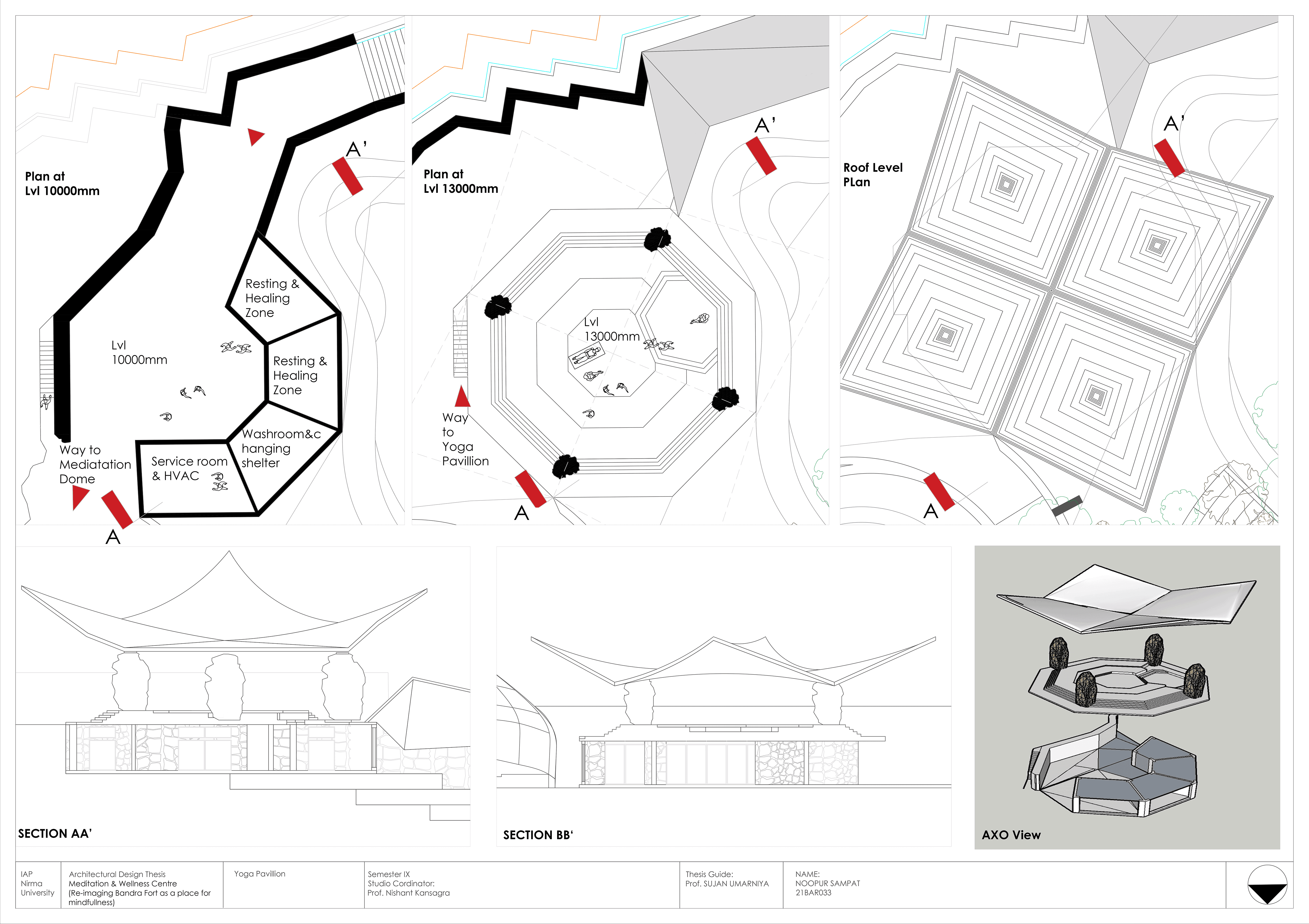
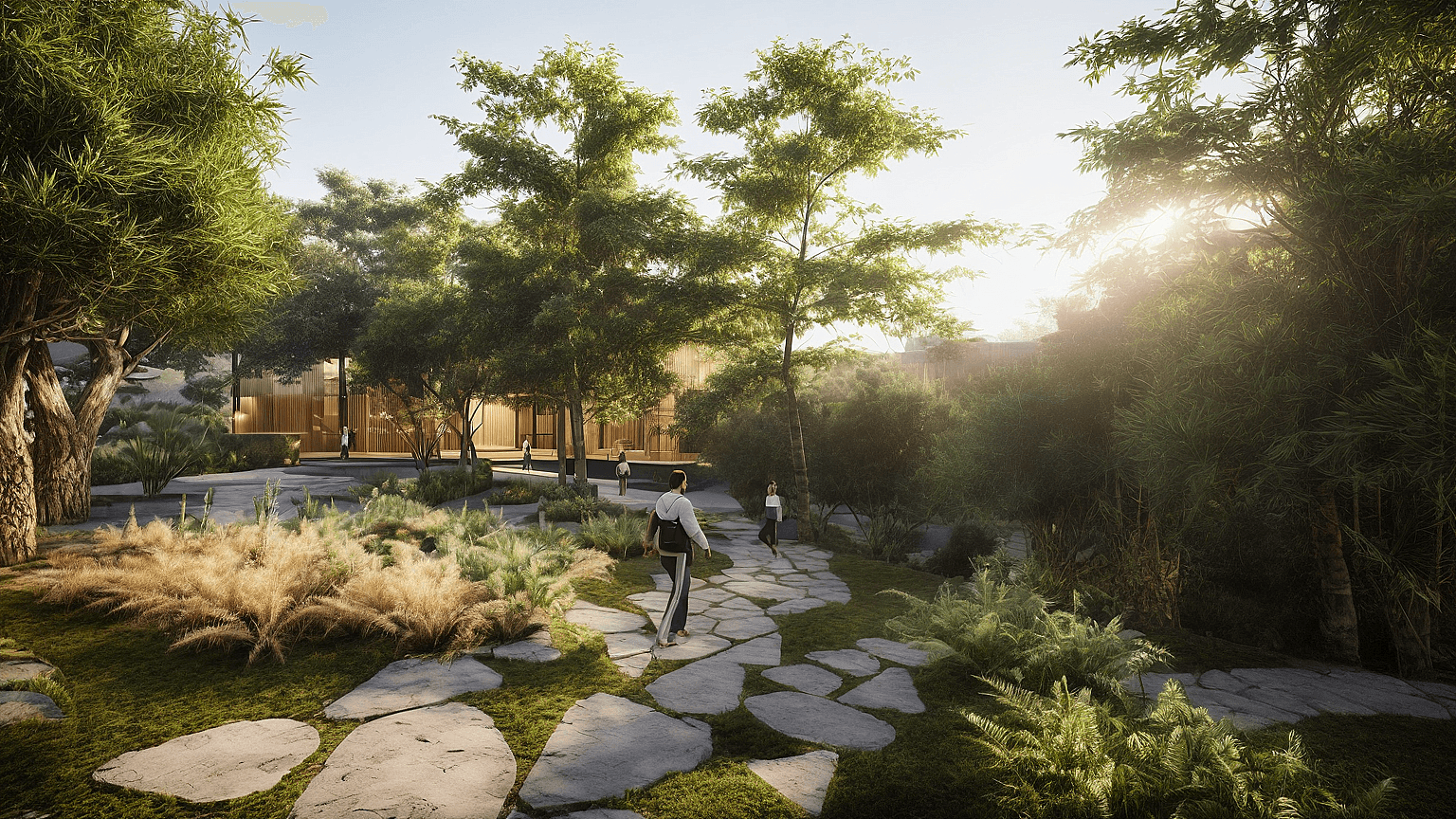
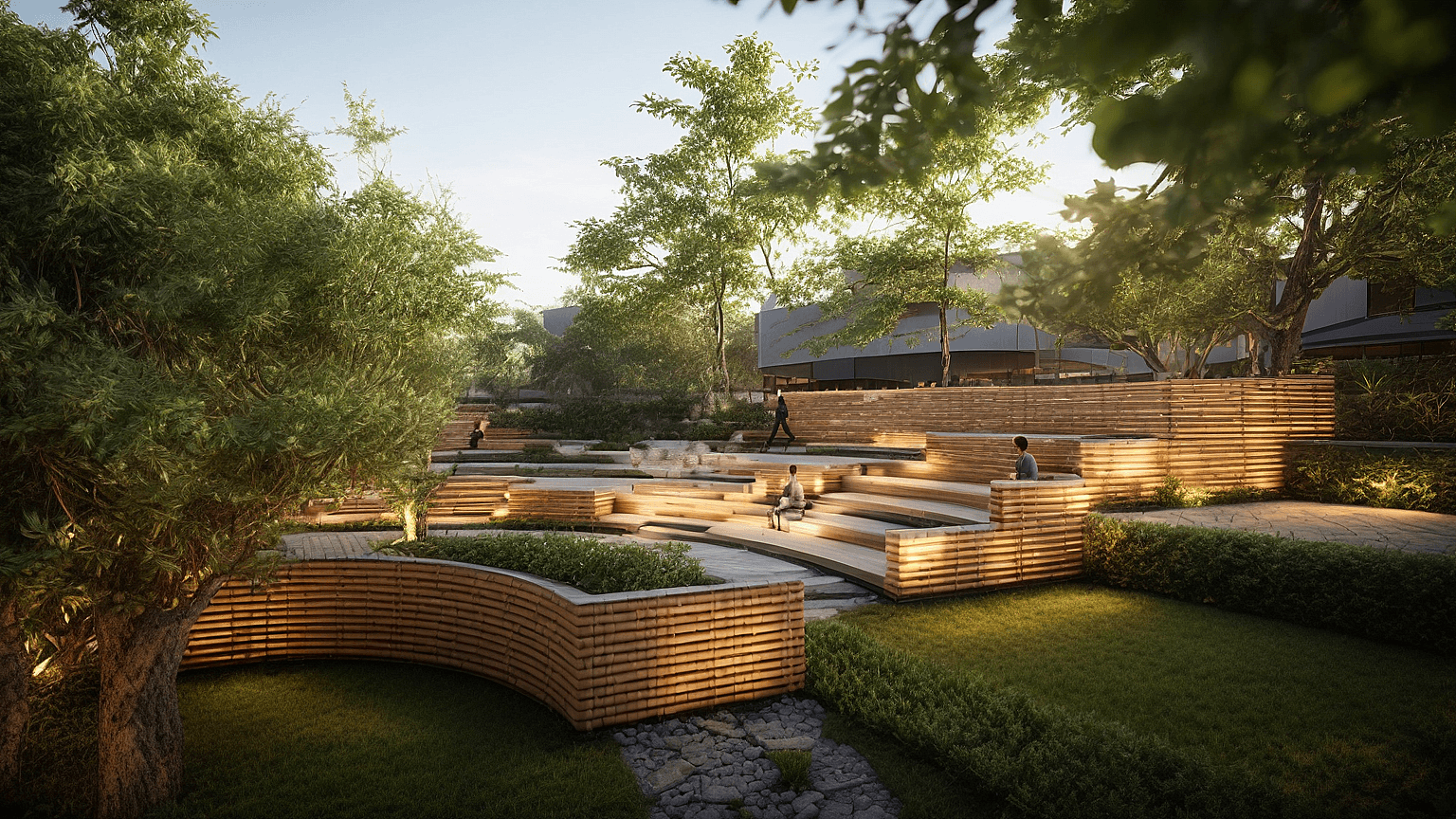
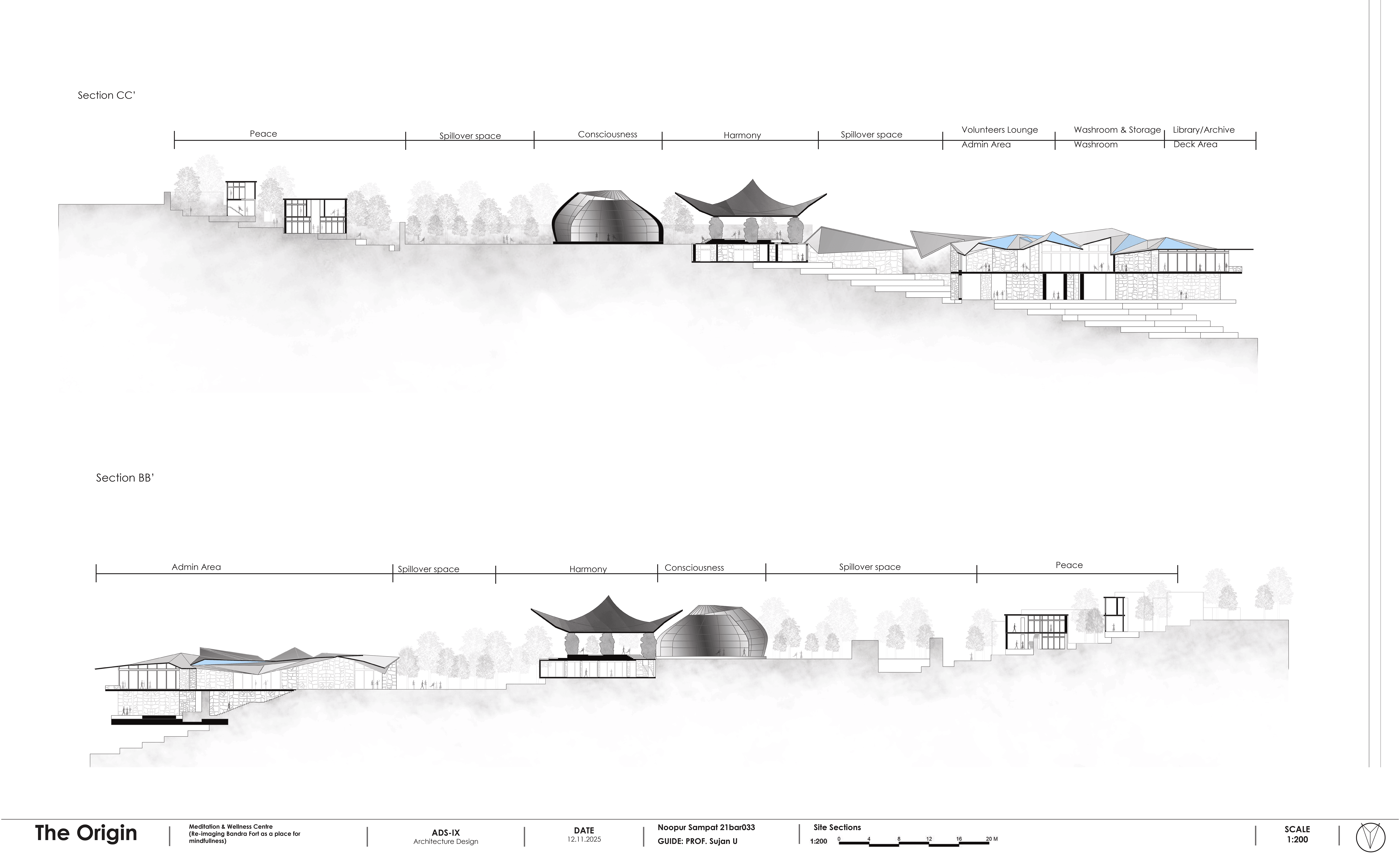
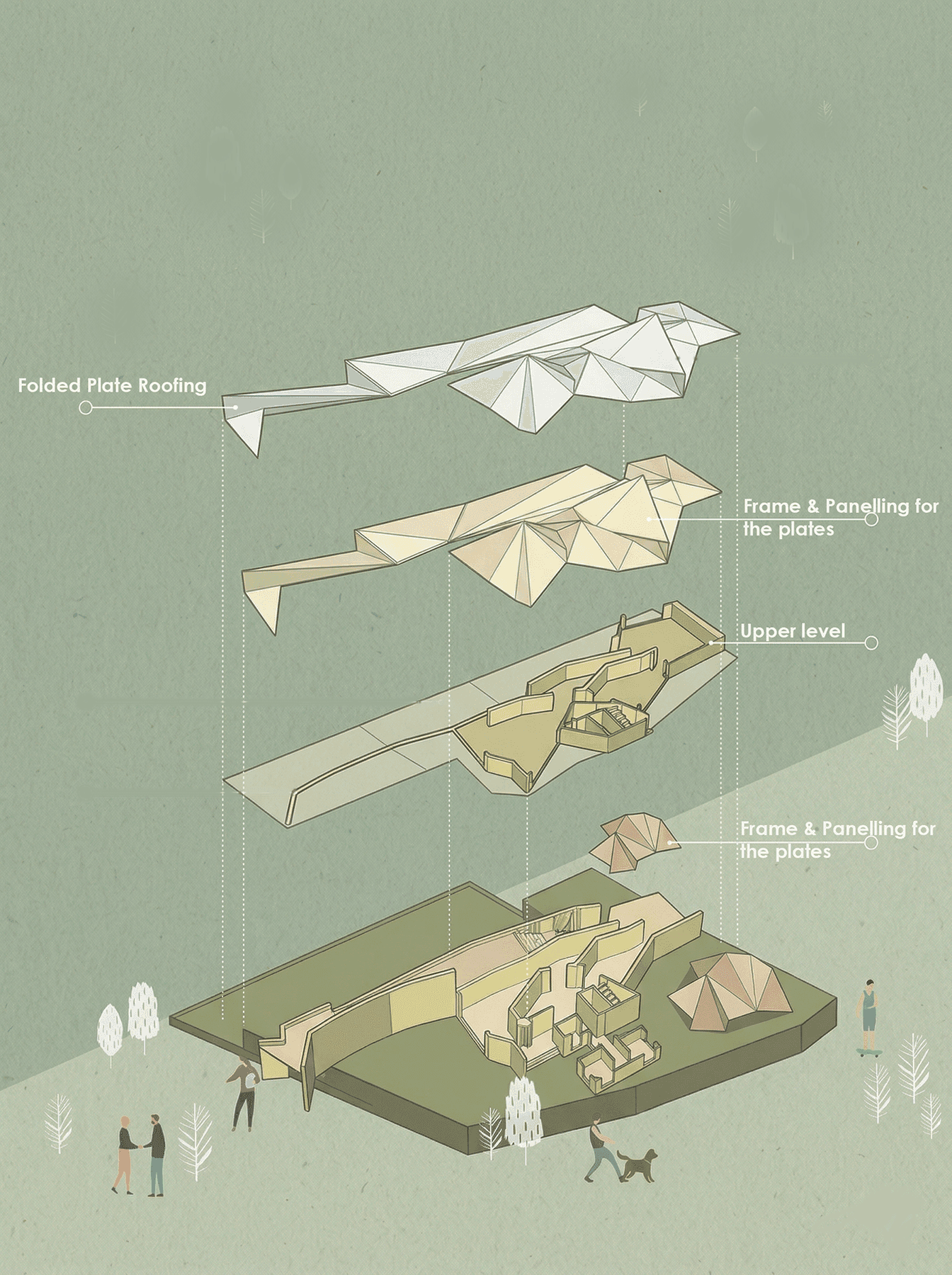
The project responds by creating a spatial narrative that mirrors the mind’s inward movement from distraction to presence. Through transitions in light, scale, materiality, and movement, architecture engages conscious and subconscious layers, allowing users to experience their internal states through space. A deliberate contrast is established between the raw, weathered fort and minimal, sensorial interventions, forming a dialogue between memory and awareness. Ultimately, the design acts as an interface connecting body, mind, and environment through a deeply immersive, contemplative experience.